
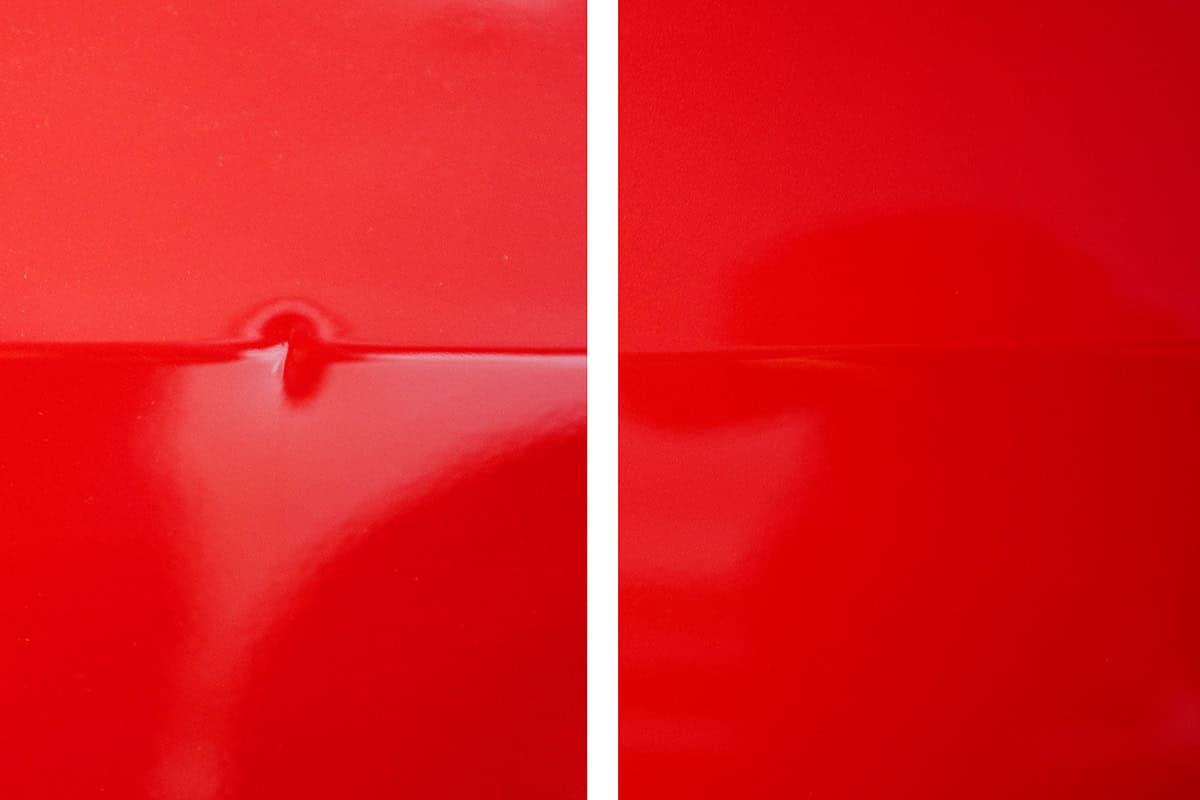
Will Your Vehicle’s Paint Be Affected During PDR?
The Question Everyone Asks
“You’re not going to mess up my paint, are you?”
This is the first question almost every customer asks when they bring their car in for paintless dent repair. Last week, a woman with a 2022 Tesla Model Y stood in our Cedar Park shop, pointing at a quarter-sized dent on her door panel.
“I just bought this car six months ago,” she said. “The paint is perfect. I don’t want anyone touching it if there’s any chance of damage.”
I get it. Factory paint on a new car is pristine. You don’t want someone screwing it up while trying to fix a dent.
Here’s the honest answer: When done properly by trained technicians, paintless dent repair doesn’t damage your vehicle’s clear coat or paint. But there are conditions where PDR can cause problems, and every car owner should understand them.
How PDR Actually Works (And Why Paint Stays Safe)
Paintless dent repair works by manipulating metal from behind the panel. We’re not touching the painted surface with tools – we’re working from the inside.
The Access Route
Most dents can be reached from behind by:
- Removing interior panels (door cards, trim pieces)
- Working through existing access points (window openings, wheel wells)
- Using panel removal when necessary
Tool Contact Points
Our PDR tools contact the metal substrate, not the paint surface. Whale tail tools, blending hammers, and pushing rods work against the inside of the panel.
The paint experiences pressure from the metal moving beneath it, not from direct tool contact.
Metal Memory Physics
When metal gets dented, it wants to return to its original shape. That’s called metal memory. PDR uses controlled pressure to help the metal remember its factory form.
The paint, being bonded to the metal, moves with the panel as it returns to shape. Done correctly, this doesn’t stress the paint system beyond its designed flexibility.
When PDR Is Completely Safe for Paint
Ideal Conditions for Paint Preservation
- Fresh dents (less than a year old): The metal hasn’t “set” in the wrong position
- Quality factory paint: OEM paint systems are designed for flexibility
- Moderate temperatures: Austin’s heat can make paint more pliable, which helps
- Professional techniques: Experienced technicians know pressure limits
Austin Climate Advantages
Central Texas weather actually helps PDR work safely. Warm temperatures keep paint and clear coat flexible during repairs.
Cold weather makes paint brittle and more likely to crack under pressure. Our mild winters make year-round PDR safer than in northern climates.
Factory Paint vs. Aftermarket
Original equipment manufacturer (OEM) paint is engineered for the specific vehicle. It has optimal thickness, proper adhesion, and designed flexibility.
Aftermarket paint jobs vary wildly in quality. Some are excellent, others are problematic for PDR. We assess paint quality before starting any work.
When PDR Can Damage Paint
Age-Related Paint Issues
UV damage from Austin’s intense sun breaks down clear coat over time. Paint that’s extensively UV damaged becomes brittle and prone to cracking.
We see this especially on vehicles parked outdoors for years without protection. The clear coat develops microscopic cracks that PDR pressure can worsen.
Poor Quality Paint Jobs
Not all paint work is created equal. We’ve encountered:
- Body shops that applied clear coat too thin
- DIY paint jobs with poor adhesion
- Cheap aftermarket repairs that used substandard materials
These situations require extra caution or alternative repair methods.
Extreme Dent Severity
Very deep dents stretch metal beyond its elastic limit. Attempting PDR on severely stretched metal can crack paint that’s been stressed beyond capacity.
Hailstone damage from golf ball-sized hail sometimes falls into this category. The impact stretches both metal and paint past safe limits.
How We Protect Paint During PDR
LED Stripe Board Assessment
Before touching your car, we examine the paint under LED stripe boards. This lighting reveals:
- Clear coat condition and thickness
- Existing stress fractures or damage
- Paint system quality and flexibility
- Areas requiring special care
Pressure Point Mapping
We identify optimal pressure points that move metal efficiently without overstressing the paint system. This mapping prevents excessive force in sensitive areas.
Heat Application When Needed
Controlled heat application makes both metal and paint more workable. We use infrared heating to warm panels safely without damaging paint systems.
Austin’s natural warmth often eliminates the need for additional heat, making the process safer.
Tool Selection and Technique
Different dents require different approaches:
- Shallow, wide dents: Broad, gentle pressure over large areas
- Deep, small dents: Precise pressure at specific points
- Multiple dents: Sequential repair to avoid cumulative stress
Paint Safety by Vehicle Type
Modern Luxury Vehicles
BMW, Mercedes, Tesla use sophisticated paint systems designed for durability. These typically handle PDR very well when the paint is in good condition.
Older Vehicles (10+ years)
Age doesn’t automatically disqualify PDR, but we’re more cautious. UV exposure, environmental damage, and previous repairs affect paint integrity.
Performance and Sports Cars
Carbon fiber and aluminum panels require specialized knowledge. Paint on these materials behaves differently than traditional steel panels.
Read our guide on PDR for carbon fiber for details on specialized materials.
Commercial and Fleet Vehicles
Work trucks and fleet vehicles often have industrial-grade paint systems designed for durability. These typically handle PDR very well, even with heavy use.
Common Paint Concerns (And Reality)
“Will the repair be visible?”
Proper PDR is invisible when complete. The factory finish remains intact with no color variation, texture changes, or visible repair marks.
“What about clear coat damage?”
PDR doesn’t disturb the clear coat layer. Traditional body work often removes and replaces clear coat, creating potential color and texture variations.
“Can you guarantee no paint damage?”
We guarantee our work, but we also honestly assess when PDR isn’t appropriate. If paint condition makes damage likely, we’ll recommend alternatives.
Signs PDR Isn’t Right for Your Paint
Visible Clear Coat Damage
If your clear coat is already failing (peeling, cracking, cloudy), PDR might worsen the problem. These issues need attention before dent repair.
Multiple Previous Repairs
Areas with multiple paint repairs often have inconsistent paint system thickness and adhesion. These require careful evaluation.
Extreme UV Damage
Paint that’s chalky, faded, or showing extensive sun damage may not handle PDR pressure safely.
Austin-Specific Paint Challenges
UV Exposure Management
Central Texas sun is intense. Vehicles parked outside year-round develop UV damage faster than garage-kept cars.
Ceramic coating and regular paint protection help preserve PDR eligibility as vehicles age.
Hail Season Considerations
Spring hail storms create widespread damage. Fresh hail damage is often ideal for PDR, but delayed repairs can become problematic as paint “sets” around the damage.
Heat Island Effect
Austin’s urban heat island makes painted surfaces hotter than air temperature. This affects both paint degradation and PDR working conditions.
Technology and Paint Protection
Paint Depth Gauges
We use electronic gauges to measure clear coat thickness before PDR. This data helps determine safe pressure limits.
Thermal Imaging
Infrared cameras help identify paint inconsistencies and optimal working temperatures.
Digital Documentation
We photograph paint condition before and after PDR using calibrated lighting. This documentation supports our warranty and demonstrates paint preservation.
When We Say No
Professional PDR shops should refuse work when paint damage is likely. We’ve turned away customers when:
- Clear coat failure was extensive
- Previous repairs created unstable paint systems
- Dent severity exceeded paint flexibility limits
- Customer expectations couldn’t be met safely
Saying no protects both the customer and our reputation.
Alternative Solutions When PDR Isn’t Safe
Traditional Body Shop Work
When PDR risks paint damage, conventional bodywork might be necessary. This involves:
- Panel preparation and primer application
- Color matching and paint application
- Clear coat application and finishing
Panel Replacement
Severely damaged panels sometimes need replacement rather than repair. This preserves paint integrity on surrounding areas.
Spot Painting
Limited paint work on specific areas can address both dents and existing paint problems simultaneously.
Quality Assurance for Paint Protection
Before Work Begins
- Complete paint assessment under proper lighting
- Digital documentation of existing condition
- Clear communication about any risks
- Customer approval before proceeding
During Repairs
- Continuous monitoring of paint condition
- Pressure limitations based on paint assessment
- Temperature control when using heat application
- Immediate stop if paint issues develop
After Completion
- Final inspection under LED lighting
- Warranty documentation covering paint integrity
- Care instructions for ongoing paint preservation
Making the Right Decision
The vast majority of dents can be repaired safely with PDR when performed by experienced technicians who understand paint systems.
How PDR actually works explains the technical process in detail.
For information about PDR myths, including paint damage concerns.
Our Austin PDR specialists have the experience to assess your specific paint condition and recommend the safest repair approach.
Rust prevention is another consideration – leaving dents unrepaired can lead to paint failure and corrosion.
Get a professional assessment and we’ll evaluate your vehicle’s paint condition, explain any risks, and recommend the best approach for safe, effective dent repair that preserves your factory finish.