
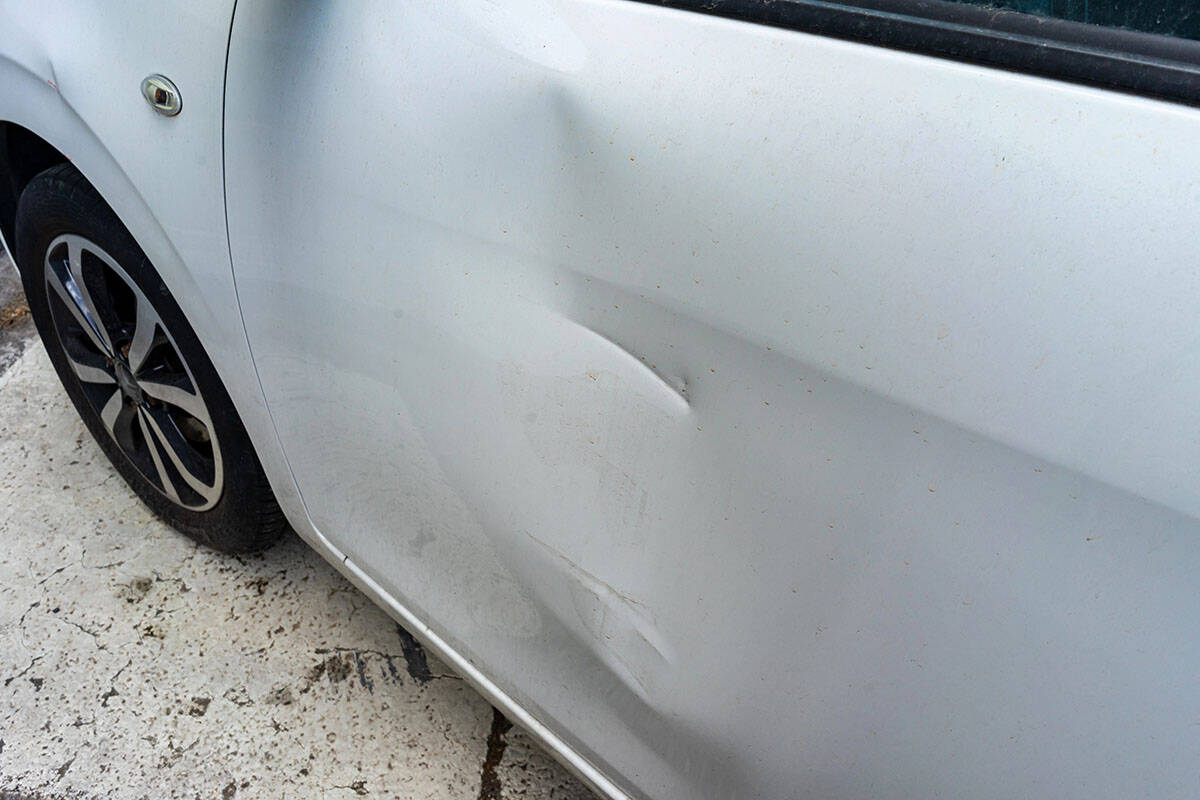
The Most Common Causes of Door Dings in Texas | Cedar Park Dent Repair
Finding a door ding on a clean panel is its own particular aggravation, not because the damage is usually serious, but because it feels so preventable. In Texas, where people drive constantly and often take real pride in how their truck or SUV looks, these minor dents show up more than most owners want to admit, which is why many drivers look to Cedar Park dent repair when they want those panels looking like new again.
Most aren’t mysterious. The causes are predictable once you know what to look for. Recognizing which situations produce door dings most reliably makes it easier to avoid them, or at least feel less blindsided when one turns up, and it also helps you know when it’s time to consider paintless dent repair in Cedar Park TX to restore your vehicle.
1. The Crowded Parking Lot
By a wide margin, parking lots produce the most door dings. The physics are simple: cars park within inches of each other, people swing doors open without checking, and nobody really thinks it’s their problem.
- Tighter spaces: American vehicles have grown bigger over the past two decades, but most parking lot stall widths haven’t kept pace, standard spaces run roughly 8.5 to 9 feet wide, and a full-size pickup can be nearly seven feet wide before anyone opens a door. That gap doesn’t leave much margin, especially for two-door cars and trucks with longer doors that need more clearance to open fully.
- Distraction: Most parking lot dings aren’t malicious, they’re the result of someone juggling bags, managing a kid, or simply not paying attention. A car door doesn’t need much of a swing to leave a mark on the panel next to it.
2. The Texas Wind: A Powerful, Invisible Force
Wind is one of the most underreported causes of parking lot damage and one of the hardest to prevent. In the Texas Panhandle, sustained winds routinely hit 20-30 mph, with gusts well above that in open areas. A car door acts as a sail: once a gust catches the full panel, the leverage multiplies fast and the door swings past your grip before you can react. The resulting impact is typically harder than a slow crowded-lot bump, which is why wind-related dings often leave deeper creases than people expect.
3. Unruly Shopping Carts
A standard grocery cart weighs around 35 pounds empty. On even a gentle slope, parking lots require a minimum drainage grade that’s enough to get a cart moving, an unsecured cart builds real momentum before it makes contact. That’s enough to leave a crease, not just a dimple. The farther a corral is from where someone parked, the more likely that cart gets abandoned between cars instead.
4. The Garage and Driveway: Dangers at Home
A meaningful share of dings never happen in parking lots at all. Bike handlebars at the wrong height, a basketball that clips the door on the bounce, a lawnmower wheel that catches the rocker panel, these at-home incidents are easy to miss because nothing dramatic happens. Tight two-car garages are especially high-risk: a standard two-car garage is only 20 feet wide, and two full-size trucks leave almost no clearance on the driver’s side.
Why Paintless Dent Repair is the Standard
Body shops used to be the default for any dent, sand it, fill it, respray it. For door dings where the paint is intact, that’s now considered overkill. Paintless Dent Repair (PDR) works by accessing the back side of the panel and using metal rods or flexible picks to push the damaged area back to its original profile, without breaking the factory finish. No filler, no color-matching guesswork.
Three concrete reasons PDR wins over traditional bodywork: the factory paint stays intact (cars with repainted panels typically appraise lower at trade-in than those with original finishes); the turnaround is hours, not days; and the cost per ding typically ranges from $75 to $150, compared to $300 or more for a body shop repair involving sanding and respraying. For fleet operators, that math compounds, a work vehicle with several dings can be back on the road the same afternoon instead of sitting in a shop for a week.
FAQs
Can all door dings be fixed with Paintless Dent Repair?
Most can, with two main exceptions: cracked or chipped paint, and dents on double-wall edges, like the very end of a door near the hinge or latch. When the metal is over-stretched rather than simply pushed in, the surface can’t return to profile without filler. A technician can assess whether a dent qualifies within a few minutes of inspection, and most shops offer that evaluation at no charge.
How long does a typical door ding repair take?
A single small ding typically takes 30 to 60 minutes. Larger dents or panels with multiple dings can run two to three hours. Most PDR shops can work through a full car with scattered dings in a single day, which is why it’s usually a same-day appointment rather than a drop-off job.
Will a door ding reappear after it has been fixed?
No, the repair is permanent. PDR works by applying targeted pressure from behind the panel until the metal returns to its factory contour. Once it’s back in position, it stays. There’s no filler or paint involved, so there’s nothing to crack, peel, or fail over time. A well-executed PDR repair holds up as well as the original panel.
Is Paintless Dent Repair cheaper than a traditional body shop?
Yes, and often by a wide margin. A conventional body shop repair means body filler, primer, color-matched paint, and clear coat, each with its own material cost and markup, plus the labor to apply them correctly. PDR skips all of that. You’re paying for a skilled technician’s time, not a parts list. For most door dings, that difference is substantial.
Does insurance cover door ding repairs?
Often, yes, but there’s a practical catch. Many comprehensive auto policies cover PDR, and some carriers offer specific ding-and-dent endorsements. The issue is that PDR for a single ding typically costs less than a standard deductible, so filing a claim may not yield any payout while still affecting your rate at renewal. Check your specific policy to confirm coverage, but many owners find it simpler and cheaper to pay out of pocket.
What is the best way to prevent parking lot door dings?
Park defensively. When you can, grab an end spot and pull up close to the curb on one side, now only one door is exposed. Skip the prime spots near the entrance and park further out where cars are spread apart and people aren’t rushing. One underrated tactic: look for well-kept cars nearby. Owners who detail their own vehicles tend to open their doors carefully around yours.
Can a door ding be repaired without painting?
Yes, in most cases, and that’s where PDR earns its reputation. As long as the ding hasn’t cracked or chipped the paint, a PDR technician can reach behind the panel with specialized tools and work the metal back to its original shape without touching the paint. It’s faster and cheaper than conventional bodywork, and on minor dings the results are often indistinguishable from factory.
Will a door ding lower my car’s value?
A single small ding on a daily driver probably won’t crater your resale price. Multiple dings will. Buyers and dealers evaluate condition first, and a clean, dent-free body signals a car that’s been cared for, which directly affects what someone will pay. The stakes are even higher on a lease return, where “excessive wear and tear” charges for body damage can show up as line items on your final bill.
Is it worth fixing a small door ding?
For most owners, yes, and not just because of resale value. That ding sits in your line of sight every time you walk to your car. It’s a small annoyance, but it compounds. PDR is fast (often same-day), costs a fraction of conventional bodywork, and leaves no trace. For most people, the decision becomes easy once they realize how quick the fix actually is.
From Frustration to Flawless
You can’t stop a gust of wind or predict what the person in the next stall will do. What you can control is where you park, how organized your home garage is, and how quickly you act when a ding does happen. Modern PDR means that “inevitable” doesn’t have to mean “permanent.” A frustrating scratch in your morning doesn’t have to be there at the end of the week.
If a ding is already nagging at you every time you walk to your car, don’t let it linger. Reach out to our Cedar Park door ding repair team and we’ll make it disappear, no paint, no filler, no trace.