
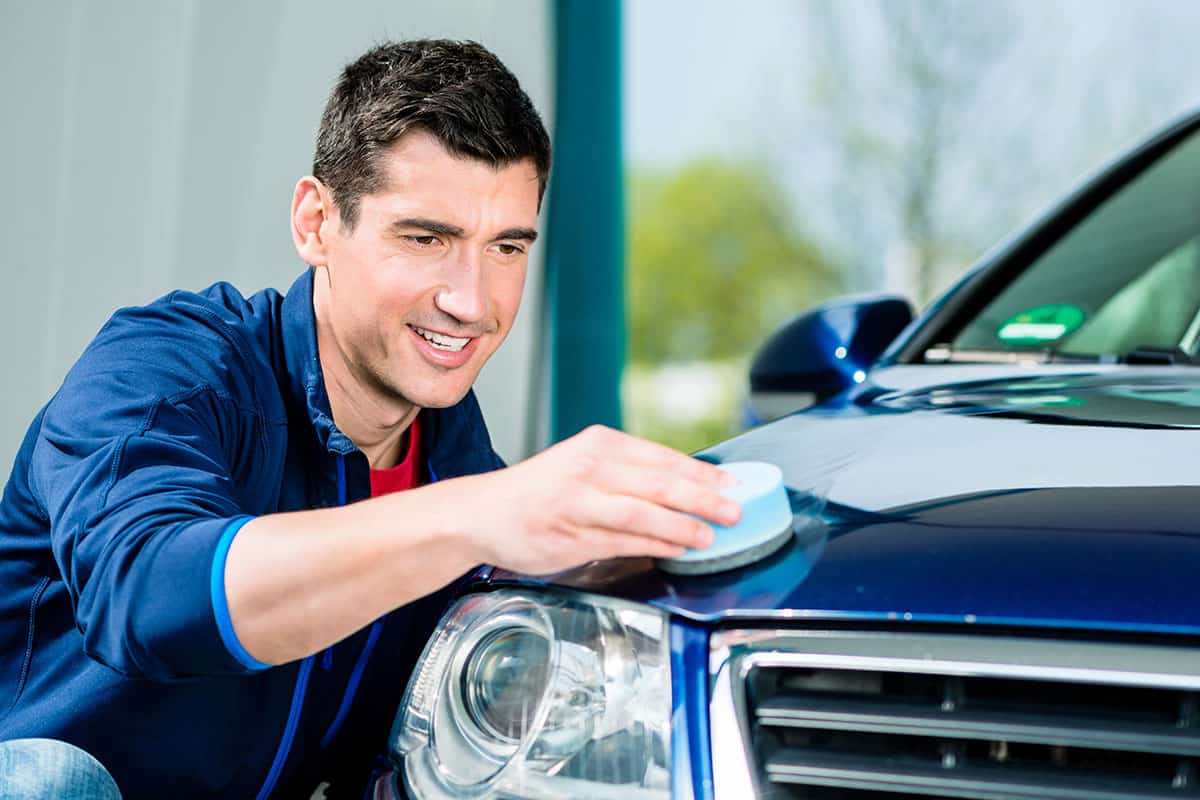
New Car Owners: Paint Protection and Exterior Maintenance Tips
The new-car feeling fades fast once the road gets involved. Paint that looks flawless on the lot starts taking damage almost immediately, not all at once, but incrementally, in ways that compound over time. A new vehicle is one of the largest purchases most people make, and the exterior condition is one of the first things a buyer looks at when you eventually sell or trade it in.
Bird droppings are acidic enough to etch clear coat in under an hour on a hot day. Bug splatter hardens and bonds to paint. Parking lot door dings happen on calm Tuesday afternoons at the grocery store. None of it is entirely avoidable. Most of it is manageable. Regular washing, a protective coating, and some thought about where you park can mean the difference between a car that looks five years old at ten years and one that looks all ten.
1. Get the Washing Routine Right
Everything else in exterior care depends on this. Contaminants sitting on clear coat cause permanent damage faster than most people expect.
Bird droppings, bug splatter, and tree sap are acidic. Left on paint in direct sun, they can etch through the clear coat in as little as 30 minutes on a hot day. Rain is also a problem: as water evaporates, it deposits dissolved minerals that bond to the surface and create water spots that resist normal washing.
Wash every one to two weeks. Use the two-bucket method, one bucket for your soap solution, a second with plain water to rinse your wash mitt between passes. This keeps grit from being dragged back across the paint, which is what creates swirl marks. Use a clean microfiber mitt for washing and a separate microfiber towel for drying. Both should actually be clean, not pulled from a pile that sat in the garage for a month.
2. Put a Barrier Between the Paint and Everything Else
Washing cleans the surface. Protection keeps contaminants from reaching it. The right product depends on how long you want the protection to last and how much you want to spend.
- Wax: Carnauba wax gives paint a warm, rich look and a reasonable layer of protection. It’s the cheapest option, but also the shortest-lived, most waxes need reapplication every four to eight weeks, sooner if the car lives outside.
- Paint sealant: A synthetic polymer that bonds chemically to the clear coat rather than sitting on top of it. Sealants typically hold up for four to six months and produce a glossier finish than carnauba. For most daily drivers, this is the practical middle ground.
- Ceramic coating: A liquid polymer that cures into a hard, transparent layer directly on the clear coat. A properly applied ceramic coating can last two to five years. It resists chemical etching, UV fading, and water spots better than wax or sealant, and the hydrophobic surface sheds water aggressively, which makes washing noticeably faster.
The tradeoff is cost: professional application typically runs $500 to $2,000 depending on vehicle size and product tier.
3. Think Before You Park
Other people are your car’s biggest enemy. Most of the dings and dents that accumulate on a daily driver happen in parking lots, where doors swing open without warning and no one’s watching.
Park far away. Open space at the far end of the lot means fewer cars nearby and fewer chances for a swinging door to find yours. The walk is short; the repair bill isn’t.
Choose end spots. A spot at the row’s end cuts your exposure in half, one side faces traffic, the other faces a curb. Pull as close to the curb as you can without mounting it.
Watch your neighbors. Large trucks and vans have heavy doors that swing wide. Cars with child seats in back mean parents loading kids who aren’t watching what the door is doing. Both situations call for extra clearance.
When Prevention Fails: Paintless Dent Repair
Even careful drivers end up with door dings eventually. In dense Texas metros like Dallas and Houston, where parking lots stay full and spaces run tight, minor impacts are part of owning a car. Once prevention has done its job, what matters is how you fix the damage.
For most new car owners, the first door ding stings more than expected, not just on the surface, but because the wrong repair makes things worse. Traditional body shops sand down the factory paint, fill the panel with body filler, and repaint the affected area. On a new vehicle, that approach causes real problems: you’re trading factory paint for aftermarket paint, and the two will never match perfectly as the car ages.
Paintless Dent Repair (PDR) is the better option when the factory paint is still intact. A technician uses metal rods and body picks to access the back of the panel and work the dent out gradually, no sanding, no filler, no new paint. The factory clear coat stays untouched, which eliminates the color-matching problem entirely.
For fleet operators, PDR is a practical necessity. Repairs take hours instead of days, costs run well below traditional body work, and vehicles return to service faster. For leased vehicles specifically, keeping the factory paint intact matters at turn-in, fleets that rely on PDR consistently avoid the excessive-wear charges that repainted panels tend to trigger during lease inspections.
FAQs
Does a new car really need wax or a coating right away?
Yes. The dealer wash that comes with delivery is cosmetic, not protective. Applying a paint sealant or ceramic coating in the first week locks in protection for the clear coat against UV exposure and road contaminants before any damage accumulates. Waiting doesn’t save time, it just means the coating goes on top of whatever the environment deposited first.
Is Paintless Dent Repair better than a body shop for new cars?
For minor dings with no paint damage, yes, almost without exception. PDR leaves the factory paint intact, which holds up better over time and maintains resale value more reliably than repainted panels. It also avoids introducing body filler, which can crack or shrink over years of temperature cycling.
How often should a new car be washed?
Every one to two weeks is the practical target. Road salt, bird droppings, and industrial fallout are acidic, left on the paint long enough, they work through protective coatings and into the clear coat. In winter months or after extended highway driving, washing sooner makes sense.
Can ceramic coatings prevent door dings?
No, and this is one of the most common misconceptions about ceramic coatings. A ceramic coating forms a hardened chemical layer over your clear coat, which is highly effective against bird droppings, acid rain, UV oxidation, and water spotting. A door ding is a physical impact, and no coating absorbs that kind of force. For pre-emptive physical protection, Paint Protection Film (PPF) is the closest option, though it mainly guards against rock chips and light abrasion rather than a direct door strike. If a ding has already happened and the paint is intact, Paintless Dent Repair is the right call.
Does keeping a car clean help with its resale value?
Yes, and the difference shows up in the numbers. Appraisers at auction houses and used-car dealerships consistently rank paint condition among the top factors in vehicle valuations. A car with clean, glossy paint and no visible dings signals that the owner paid attention to the whole vehicle, not just the drivetrain. A neglected exterior, faded clear coat, swirl marks, multiple door dings, can knock hundreds of dollars off a private-sale price or trade-in offer compared to an identical model in clean condition.
How often should I wash and wax my new car?
Wash every one to two weeks as a baseline, more often if you park outside, live near salt air, or drive on roads treated with winter salt. For wax: a traditional carnauba wax lasts roughly four to eight weeks before water stops beading and it’s time to reapply. A synthetic polymer sealant stretches that to four to six months. If you’ve had a professional ceramic coating applied, skip wax entirely, it can interfere with the coating’s hydrophobic layer. Follow your installer’s maintenance protocol instead, which typically means a pH-neutral wash soap and a coating booster spray every few months.
Are automatic car washes safe for a new car?
It depends on the type. Touchless washes, the ones that rely entirely on high-pressure water and chemical soaps, are generally safe for the paint. Brush-style tunnel washes are the problem. Even “soft-cloth” fabric strips carry embedded grit from every car that went through before yours, and that grit acts like fine sandpaper on your clear coat. The result is swirl marks and micro-scratches that don’t show in direct sunlight but are clearly visible under a shop light or low-angle morning sun. Hand washing with a clean two-bucket method is the safest option. If convenience is the priority, a touchless wash is an acceptable compromise.
The dealership offered a paint protection plan. Is it worth it?
Usually not at the price they charge. Dealership finance offices sell these packages at steep markups, a product that costs the dealer $50-$100 to apply can easily become a $500-$1,500 line item on your contract. The coating itself may be legitimate, but the application tends to be a quick spray-and-wipe rather than the multi-step decontamination, paint correction, and bonding process a professional detailer performs. You’ll almost always get better results, and a warranty backed by someone whose reputation depends on their work, by finding a certified independent detailer. Get two or three quotes and ask to see examples of their ceramic coating jobs.
What is the first thing I should do if I get a small door ding?
Don’t touch it, specifically, don’t reach for a DIY dent puller or a heat-based fix. If the paint hasn’t cracked or chipped, the metal has only flexed, which means a PDR technician can work it back into shape from behind the panel using specialized rods and reflection boards. The process preserves your factory paint entirely, no filler, no respraying, no color-matching risk. On a new car, that matters: any repaint creates a visible seam that shows up under dealership inspection and can reduce your trade-in offer. Get a PDR quote before doing anything else.
Beyond the Showroom Shine
Maintaining a new car’s appearance takes consistent effort, but the return, in resale value and daily satisfaction, is real. Regular washing keeps contamination from bonding to the clear coat. A quality paint protection product extends the time between professional treatments. Smart parking habits eliminate most ding risk before it starts. And when damage happens despite all of that, PDR offers a repair path that leaves the factory finish untouched. The car you drove off the lot can still look like that car years from now, as long as you treat paint maintenance as routine upkeep rather than a one-time event.
Dings and dents happen, parking lots, hail, a stray shopping cart. PDR fixes them by carefully reshaping the metal from behind the panel, so your factory finish stays untouched and your car’s value doesn’t take a hit from mismatched paint. Reach out to our team and we’ll take a look.